Fast Failures
Short attempts where losing does not feel heavy. Miss, restart, adjust, try again with a better read.
DexarJoltLynex is an independent editorial reference for browser-playable games across strategy, card, racing, action, and casual categories. Articles describe what each title is, how its rules read on first contact, what it borrows from earlier titles, and where it tends to fall short. We do not host games, run launchers, or earn commission on third-party pages we reference. Articles are written by our in-house editorial team and follow a documented four-axis framework — mechanics, visuals and sound, theming, and player experience.
The full archive lives in the games reference catalogue.
A hand-written Dutch edition for Belgian readers runs alongside this one. It mirrors this archive entry for entry, and nothing there is machine-translated.
Short attempts where losing does not feel heavy. Miss, restart, adjust, try again with a better read.
Vehicles, lines, jumps, and movement that refuse to behave perfectly. The fun sits in correcting the mess.
Puzzles and tactics where the screen does not shout, but every choice still leaves a mark.
Sports, duels, and score-based rounds for players who want competition without a complicated setup.
A homepage gets boring when every card promises the same kind of “fun”. This selection works better by contrast: one game is about balance, another about drawing a route, another about territory, another about finding the only clean exit.
No single mood owns the page. A player can move from a tiny car carrying an egg to a strategy map, then into a puzzle where one arrow changes the whole solution. That jump between tempos keeps browsing from feeling flat.
Each tile should tell the player enough without turning into a long pitch. A short title, one sharp detail, and a visible action point do more than a crowded description.
Extra labels, stacked filters, and repeated calls can slow the page down. The cleaner route is simple: glance, compare, open, play.
Players often choose by feeling, not by genre. A soft puzzle, a fast round, or a chaotic physics test should be easy to spot before the first click.
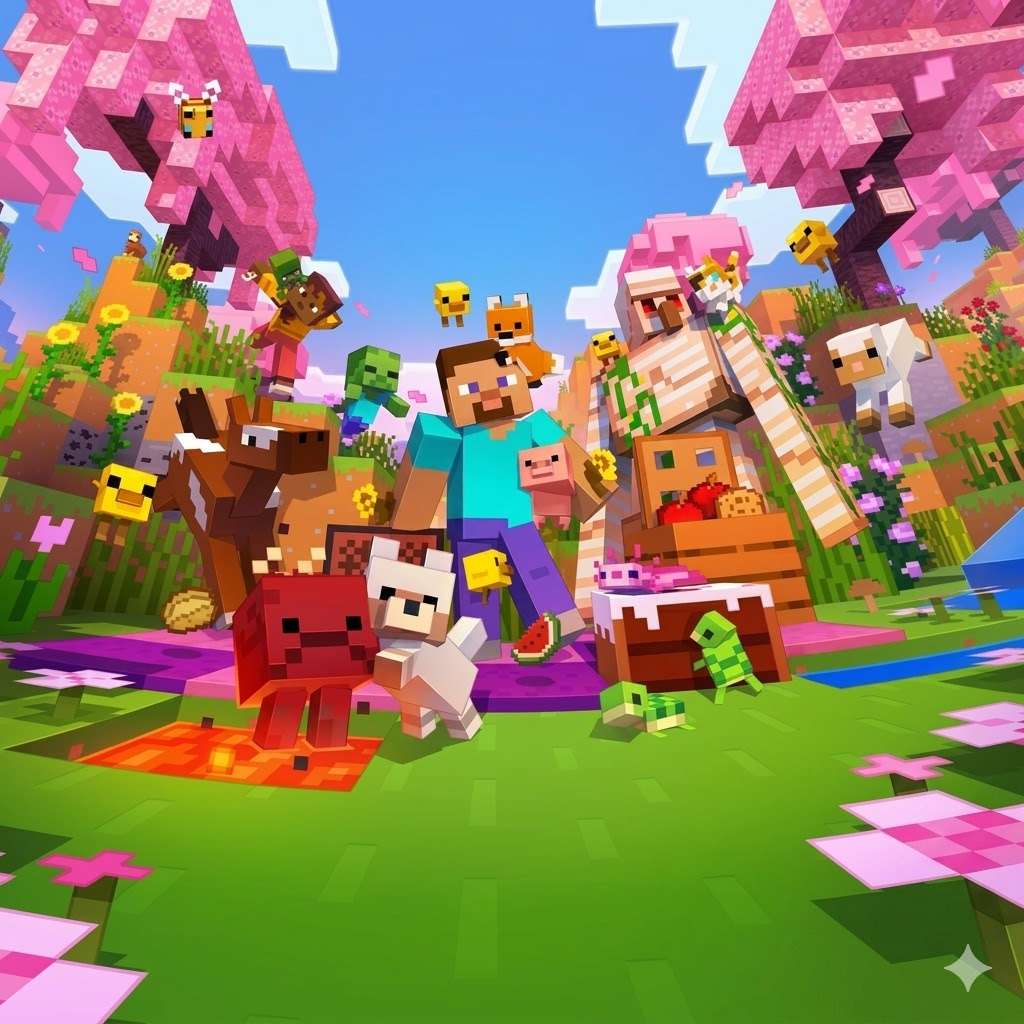
A game page should be easy to scan and easy to understand. Strong titles, short descriptions, and clear visual structure help players quickly find something that matches their mood and play style.
The best game cards focus on one clear idea instead of trying to say everything at once. A quick race, a clever puzzle, a fast reaction challenge, or a relaxing activity is often enough to spark interest and encourage a click.
Good spacing between sections also matters. Clean layouts make games easier to explore, prevent information overload, and help each title stand out within the collection.